AI Guides for Kids: Tutorials, Reviews & Parent Resources
360+ parent-perspective articles covering tutorials, tool reviews, safety checklists, and school-collaboration tips. Filter by age and type to find what your child needs today.

Teaching Kids to Think With AI (Not Cheat With It): Start With 3D Building
There's a debate happening in schools right now that most parents are only half following. On one side are teachers and administrators trying to detect and punish AI use by students. On the other side

After Kids Use AI Chat Tools: A Parent's Conversation Guide (2026)
Practical questions after kids use AI: discuss homework, creative choices and fact-checking, then agree on one next step. Includes Pew research and family resources.

AI Tools for Kids with Executive Function Challenges (2026)
AI-powered planning, organization, and task management tools for children who struggle with executive function. ADHD-adjacent support for planning, initiation, and working memory.

Can AI Tools Help Kids Overcome Math Anxiety? A Complete Guide (2026)
How AI math tools reduce math anxiety in children. Non-judgmental practice, instant explanations, gamified learning, and strategies that rebuild confidence.

Best AI Study Tools for Teens: SAT, AP and High-Stakes Exams (2026)
AI-powered study tools for SAT, AP, and high-stakes exams. Personalized practice, weakness analysis, and study planning for high school students in 2026.

Summer AI Learning Plan for Kids: Complete Family Guide (2026)
Prevent summer learning loss with AI tools. Week-by-week plans for ages 6-9, 10-13, and 14-17 balancing screen time with outdoor play. Free and paid options.

Teaching Kids to Spot AI Misinformation: A Media Literacy Guide (2026)
How to teach children to identify AI hallucinations, deepfakes, and generated misinformation. Age-appropriate strategies, classroom activities, and family discussion guides.

AI Tools for Kids with Dyslexia: Reading, Writing & Comprehension Support (2026)
AI-powered reading and writing tools that help dyslexic children decode text, improve comprehension, and build confidence.
Beginner-Friendly AI Coding Tools for Neurodiverse Kids (2026)
AI coding tools designed for children with ADHD, autism, dyslexia, and other learning differences. Low-frustration interfaces, visual coding, and adaptive pacing.
AI Tools for Kids with Anxiety: SEL Apps & Calming Tech Guide (2026)
AI-powered tools that help anxious children manage emotions, practice coping skills, and build social-emotional resilience. Therapist-reviewed, parent-tested.
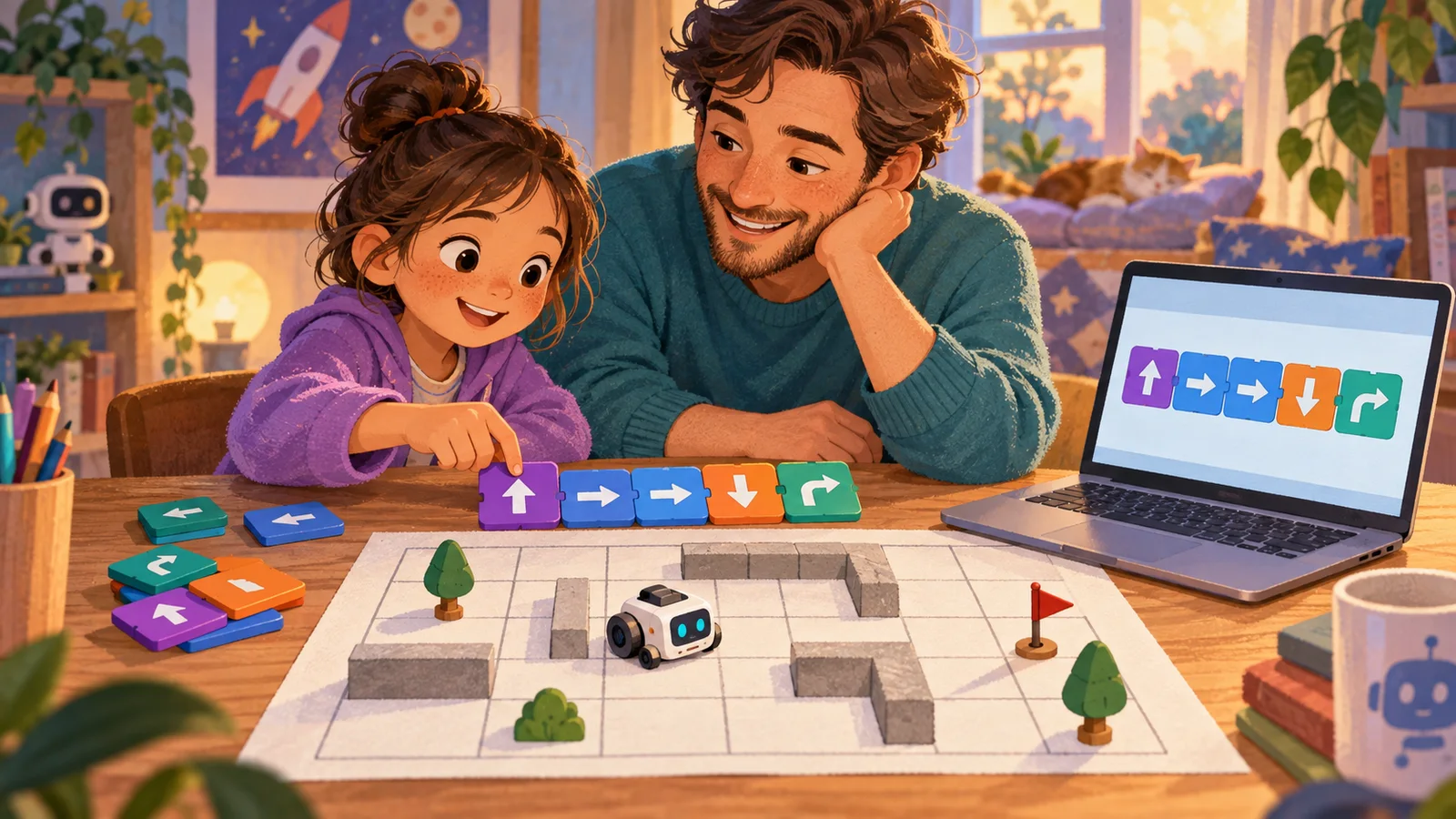
Scratch vs Code.org for Kids: Which Coding Platform Is Better in 2026?
Scratch vs Code.org compared across 8 dimensions: AI features, age range, curriculum structure, creative freedom, teacher support.

Best AI Tools for ESL Kids: Help English Learners Thrive (2026)
AI language tools that help ESL children learn English faster. Speaking practice, reading support, translation aids, and writing assistance for ages 5-15.
Frequently Asked Questions
What kinds of articles are in this library?
+
We organize by four types: Tutorials (step-by-step AI projects with your child), Guides (parent decision-making, e.g. "Is ChatGPT safe for an 8-year-old?"), Reviews (parent-perspective single-tool or comparison reviews), and News (AI education policy, new tool launches). Use the filter tabs above to narrow down.
Who writes these articles?
+
The KidsAiTools editorial team writes from a parent perspective — we use the AI tools we cover as parents, document what we observe, and publish our notes. We do not currently maintain a child-test panel or named expert reviewers; if we add either, we will disclose names, credentials, and review methodology on the methodology page.
How do I find articles for my child's age?
+
Use the age-group filter above (6-8, 9-12). Every article lists the age bands it applies to. If you have multiple children, start with our parent guides first, then read tutorials aimed at the youngest age in your household.
Where should I start if I'm new?
+
Three starter picks: "Kids AI Explained: What It Is" for the basics, "30 Safe ChatGPT Prompts for Kids by Age" for something you can use today, and "Khanmigo Review 2026" if you're evaluating paid tools. Any one of them gives you enough to start your first family AI session.
How often is the library updated?
+
We publish new parent guides regularly. Check the publication and update dates shown on each article, and review the tool’s current official policies before use.
Are tool reviews sponsored?
+
No. Reviews are based only on parent hands-on testing. We don't accept paid placements or free licenses from tool vendors. If a tool has a real problem, we write it plainly — no softened language.