AI Guides for Kids: Tutorials, Reviews & Parent Resources
251+ parent-perspective articles covering tutorials, tool reviews, safety checklists, and school-collaboration tips. Filter by age and type to find what your child needs today.

Midjourney for Kids: Parent Setup & Safety Guide (2026)
Can kids use Midjourney safely? Step-by-step Discord setup, content filter configuration, age recommendations, and safer alternatives for younger children.

ChatGPT for Kids: Complete Safety & Setup Guide (2026)
Is ChatGPT safe for your child? Step-by-step parent guide to setting up ChatGPT safely for kids. Age recommendations, safety settings, and alternatives.

AI Tools for Kids on the Autism Spectrum: Parent Guide (2026)
AI tools designed for or helpful to children on the autism spectrum. Communication aids, social skills training, sensory-friendly learning, and routine support.

AI Homework Help: A Parent's Complete Guide (2026)
Should your child use AI for homework? We cover the best AI homework tools, when AI help is appropriate, and how to prevent cheating. Practical guide for parents.
Free AI Tools for Kids: What's Actually Free (2026)
Not all free AI tools are truly free. We tested 30+ apps to find 12 genuinely free AI tools for kids.

What Is AI? A Simple Guide for Kids (2026)
Artificial Intelligence explained for kids in simple terms. Learn what AI is, how it works, examples kids see every day, and fun activities to try at home.

Teaching Kids About AI Ethics and Bias: A Parent Guide for 2026
Artificial intelligence is making decisions that affect your child every single day. The algorithm that recommends what video to watch next. The system that evaluates their school essay. The tool that
AI Tools for Kids with ADHD: A Complete Guide for Parents (2026)
Attention Deficit Hyperactivity Disorder affects approximately 1 in 10 school-age children worldwide. Traditional learning environments often struggle to accommodate the unique ways ADHD brains proces

Parental Controls for AI Apps: The Complete 2026 Setup Guide
Every week, millions of children open ChatGPT, Gemini, and Claude on family devices. These tools can help with homework, spark creativity, and teach research skills. But without proper guardrails, the
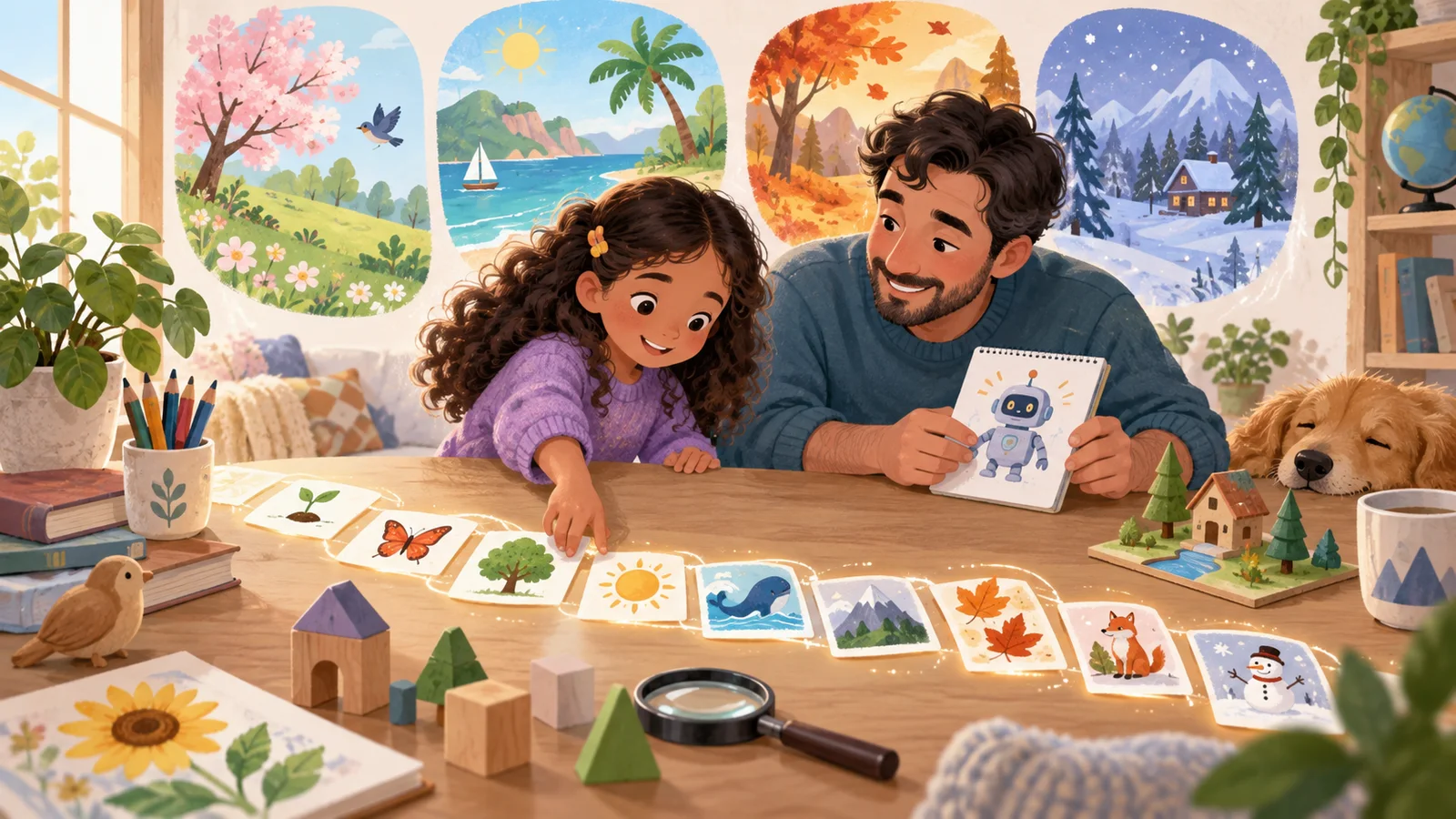
Year-Round AI Learning Calendar for Families
Learning AI does not happen in a weekend workshop. It builds gradually, through regular exposure and hands-on play, the same way children learn to read or ride a bike. This calendar gives your family

How AI Is Helping Kids with Dyslexia Read Better
One in five children has dyslexia. That means in every classroom, several students experience reading as a daily struggle — not because they are less intelligent, but because their brains process writ
Should Kids Have Their Own AI Assistant?
Your 10-year-old asks, "Can I have my own ChatGPT account?" Or maybe they already found it on their own. Maybe they are using a friend's account at school. The question is not whether children will in
Frequently Asked Questions
What kinds of articles are in this library?
+
We organize by four types: Tutorials (step-by-step AI projects with your child), Guides (parent decision-making, e.g. "Is ChatGPT safe for an 8-year-old?"), Reviews (parent-perspective single-tool or comparison reviews), and News (AI education policy, new tool launches). Use the filter tabs above to narrow down.
Who writes these articles?
+
The KidsAiTools editorial team writes from a parent perspective — we use the AI tools we cover as parents, document what we observe, and publish our notes. We do not currently maintain a child-test panel or named expert reviewers; if we add either, we will disclose names, credentials, and review methodology on the methodology page.
How do I find articles for my child's age?
+
Use the age-group filter above (6-8, 9-12). Every article lists the age bands it applies to. If you have multiple children, start with our parent guides first, then read tutorials aimed at the youngest age in your household.
Where should I start if I'm new?
+
Three starter picks: "Kids AI Explained: What It Is" for the basics, "30 Safe ChatGPT Prompts for Kids by Age" for something you can use today, and "Khanmigo Review 2026" if you're evaluating paid tools. Any one of them gives you enough to start your first family AI session.
How often is the library updated?
+
We publish new parent guides regularly. Check the publication and update dates shown on each article, and review the tool’s current official policies before use.
Are tool reviews sponsored?
+
No. Reviews are based only on parent hands-on testing. We don't accept paid placements or free licenses from tool vendors. If a tool has a real problem, we write it plainly — no softened language.