AI Guides for Kids: Tutorials, Reviews & Parent Resources
437+ parent-perspective articles covering tutorials, tool reviews, safety checklists, and school-collaboration tips. Filter by age and type to find what your child needs today.
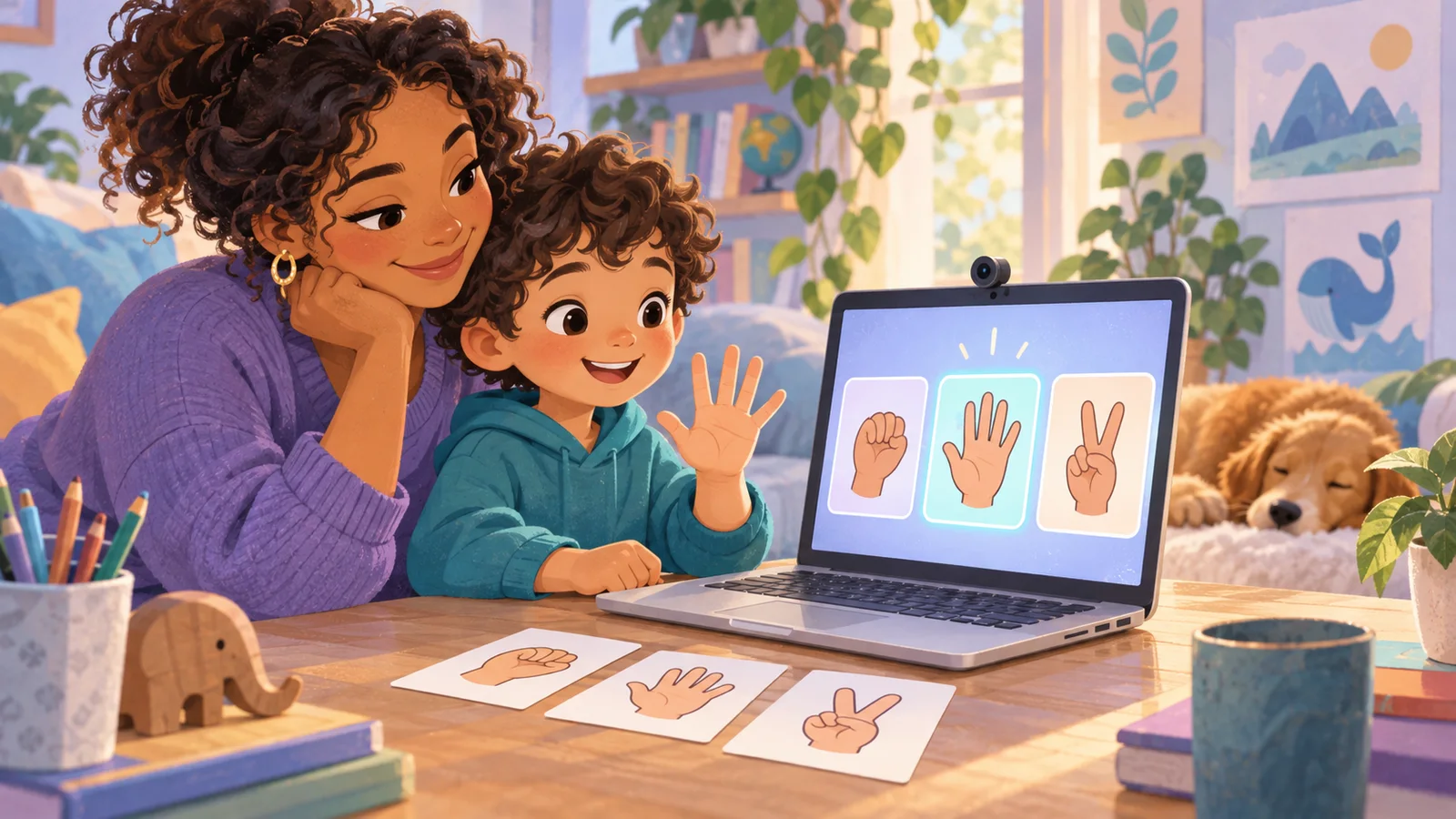
Google Teachable Machine for Kids: The Ultimate Beginner's Guide
What Is Teachable Machine (and Why Should Your Kid Use It)?
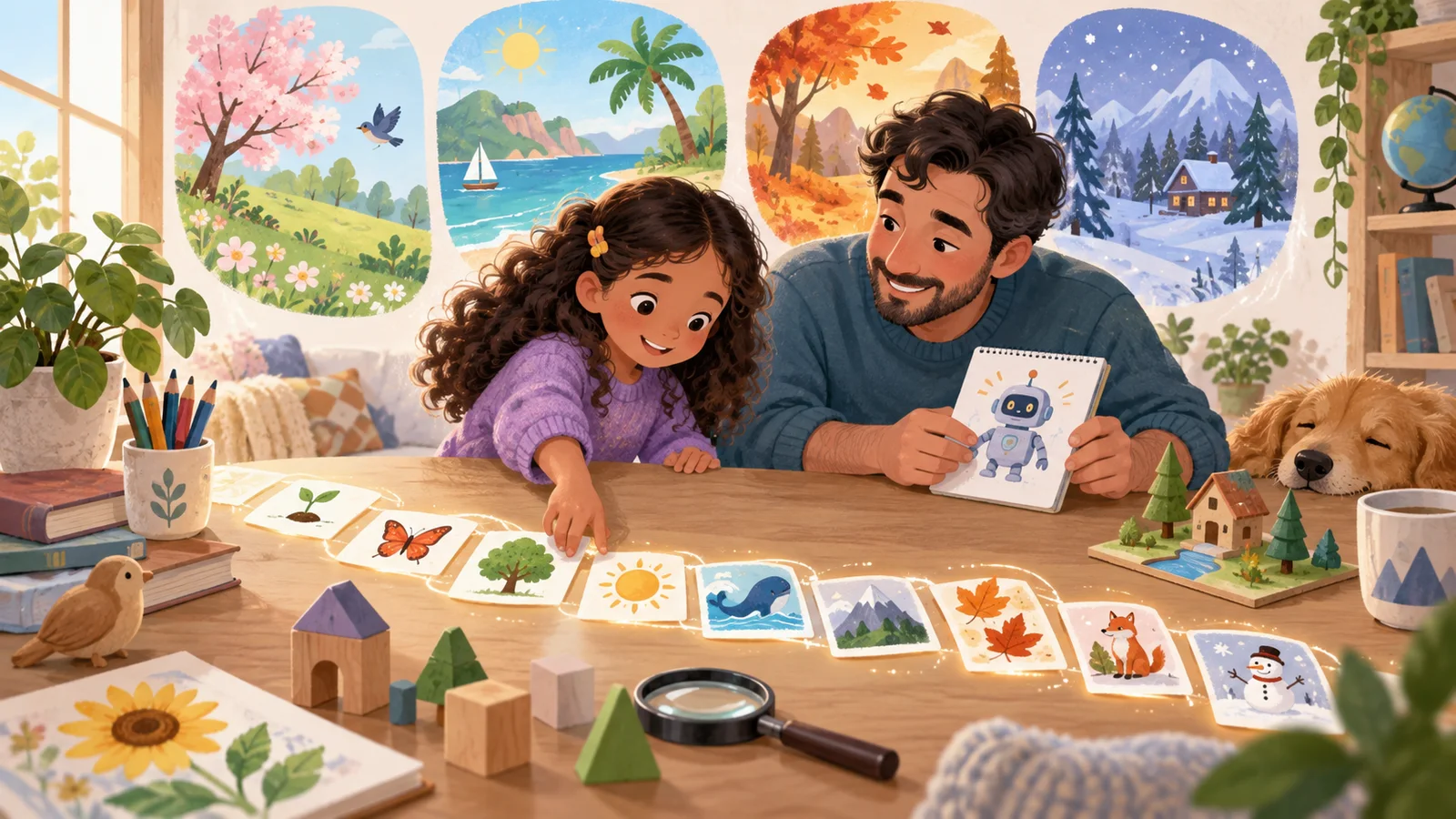
The Parent's Weekly AI Learning Plan: 15 Minutes a Day
Most parents want their kids to learn about AI but don't know where to start. And the biggest barrier isn't lack of resources -- it's lack of structure. There are thousands of AI tools and activities
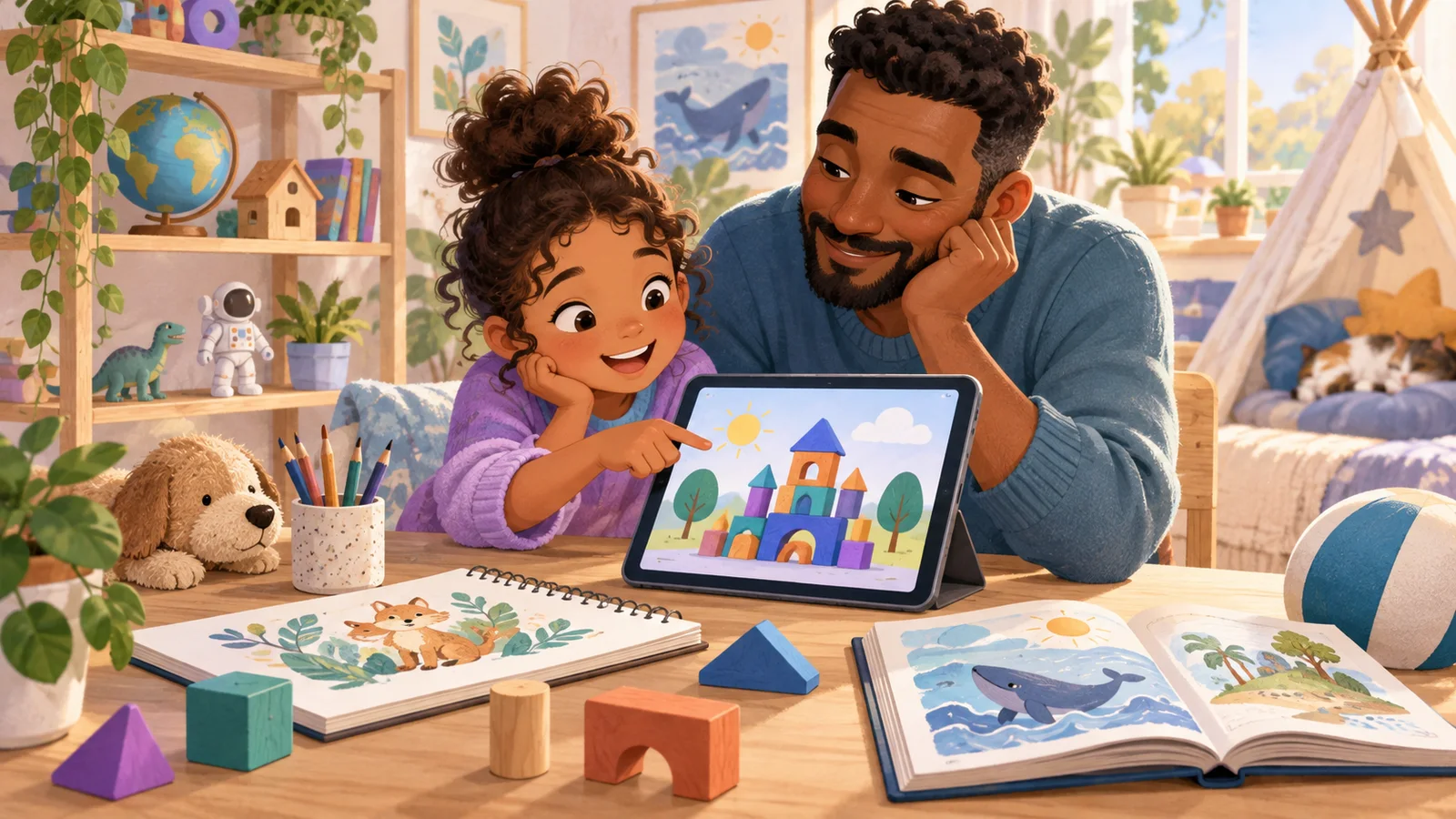
Screen Time That Actually Educates: AI Learning Activities by Age
The screen time debate is exhausting. Parents feel guilty. Kids feel restricted. And the conversation usually misses the point entirely.
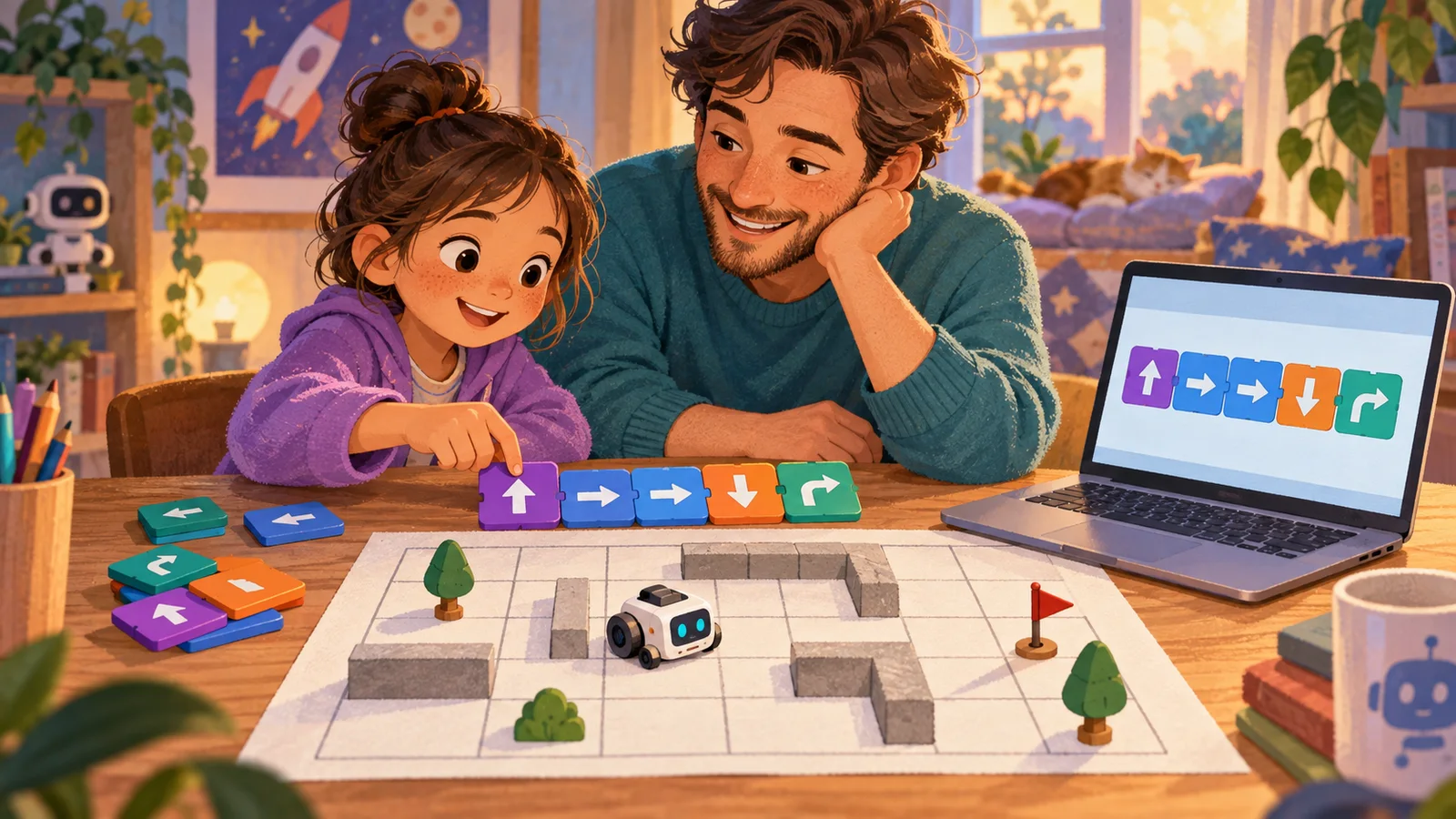
AI Coding for Kids: From Scratch to Python with AI Help
Five years ago, teaching a kid to code meant choosing between visual blocks (Scratch) or text-based languages (Python), and the jump between them felt like a cliff. AI has transformed this journey int

How to Create an AI Storybook with Your Child
Making a storybook used to require artistic talent, writing skill, and a lot of time. With AI, you and your child can co-create a fully illustrated storybook in under an hour -- one where your kid's i

5 AI Science Experiments Kids Can Do at Home (No Coding Required)
You don't need to know Python to understand artificial intelligence. In fact, some of the most eye-opening AI experiences come from free tools that run right in your browser. These five experiments ar

AI Tools for Children with Learning Disabilities: A Parent's Resource Guide
Why AI Is a Game-Changer for Kids with Learning Disabilities
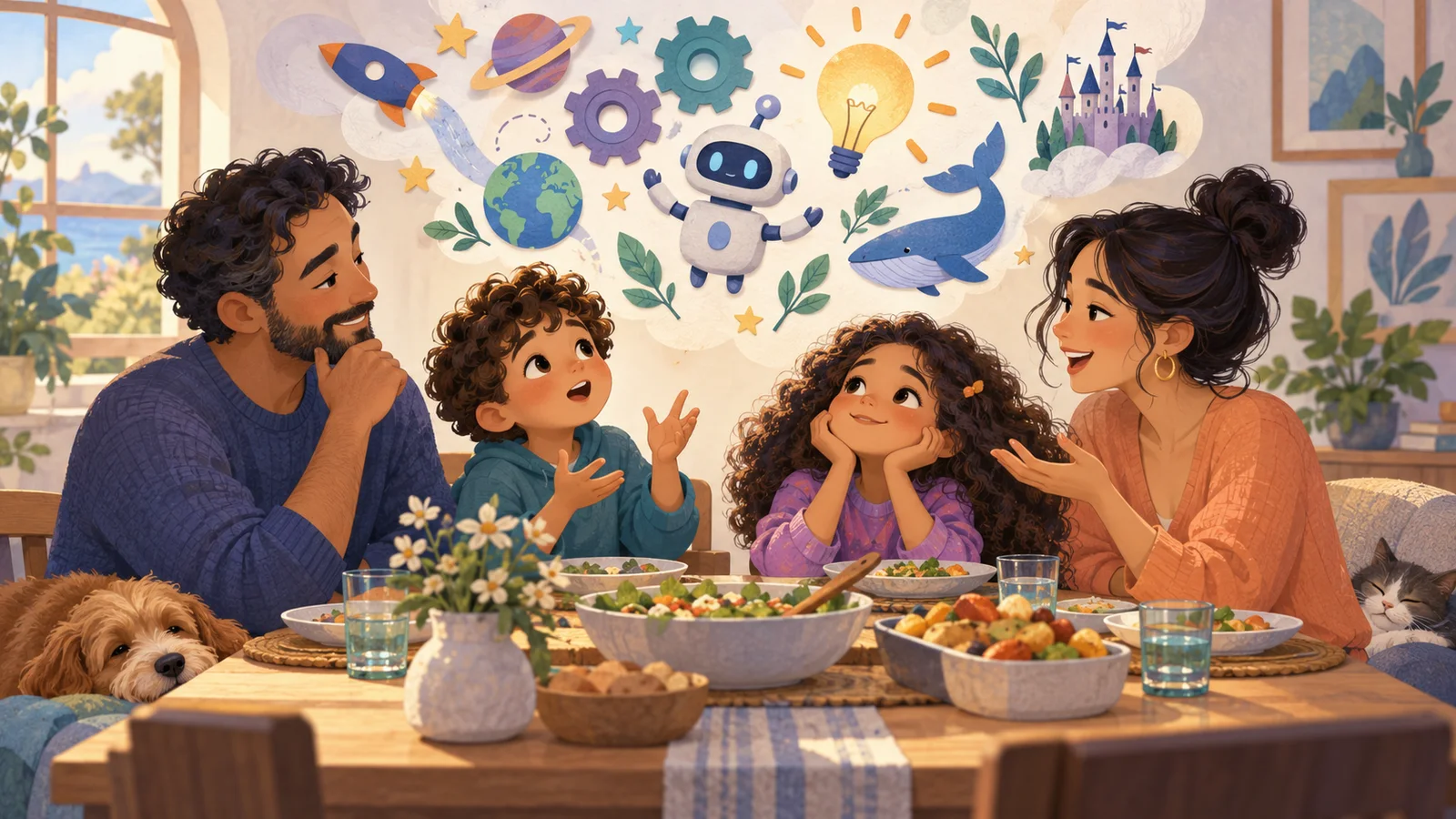
The Essential Role of Parents in AI Education
Here is the most important thing to know about your role in your child's AI education: you do not need to understand how large language models work. You do not need to know what neural networks are. Y

AI Education Trends: What to Expect in 2026
After years of hype, 2026 is shaping up to be the year when AI in education moves from experimental to mainstream. Schools are no longer debating whether to use AI but how to use it well. Parents are
Kids as AI Creators: 5 Inspiring Stories
The conversation about kids and AI usually focuses on risks, rules, and restrictions. But across the world, children are using AI tools not just as consumers but as creators, building projects that so

How AI Tutors Are Outperforming Traditional Methods
For decades, educational research has confirmed what every parent intuitively knows: one-on-one tutoring dramatically improves learning outcomes. Benjamin Bloom's famous 1984 study found that students

Should Schools Ban AI-Generated Content? A Balanced View
Walk into any faculty meeting at any school in the country and you will hear some version of the same debate: should we ban AI-generated content, embrace it, or try to find a middle ground? Teachers a
Frequently Asked Questions
What kinds of articles are in this library?
+
We organize by four types: Tutorials (step-by-step AI projects with your child), Guides (parent decision-making, e.g. "Is ChatGPT safe for an 8-year-old?"), Reviews (parent-perspective single-tool or comparison reviews), and News (AI education policy, new tool launches). Use the filter tabs above to narrow down.
Who writes these articles?
+
The KidsAiTools editorial team writes from a parent perspective — we use the AI tools we cover as parents, document what we observe, and publish our notes. We do not currently maintain a child-test panel or named expert reviewers; if we add either, we will disclose names, credentials, and review methodology on the methodology page.
How do I find articles for my child's age?
+
Use the age-group filter above (6-8, 9-12). Every article lists the age bands it applies to. If you have multiple children, start with our parent guides first, then read tutorials aimed at the youngest age in your household.
Where should I start if I'm new?
+
Three starter picks: "Kids AI Explained: What It Is" for the basics, "30 Safe ChatGPT Prompts for Kids by Age" for something you can use today, and "Khanmigo Review 2026" if you're evaluating paid tools. Any one of them gives you enough to start your first family AI session.
How often is the library updated?
+
We publish new parent guides regularly. Check the publication and update dates shown on each article, and review the tool’s current official policies before use.
Are tool reviews sponsored?
+
No. Reviews are based only on parent hands-on testing. We don't accept paid placements or free licenses from tool vendors. If a tool has a real problem, we write it plainly — no softened language.