Learning Guides
Comprehensive AI education guidance for parents and children, making learning safer and more effective
Education Guidance
Safety Protection
Practical Tips
Parent-Child Collaboration
All Articles
383 articles
📚 Guides
Future-Proof Your Kids: Essential Skills for the AI Age
The World Economic Forum Says 44% of Workers' Core Skills Will Change by 2028
5 min
6-8
9-11
12-15
📚 Guides
Teaching Kids AI Literacy: A Practical Guide for Families
In 1950, being literate meant you could read and write. In 2000, it meant you could also use a computer. In 2025, it means you can understand, use, evaluate, and create with AI.
6 min
6-8
9-11
12-15

📚 Guides
The AI Education Revolution: What Every Parent Needs to Know
The Classroom Your Child Sits In Was Designed for a World That No Longer Exists
5 min
6-8
9-11
12-15
📚 Guides
How Kids Should Be Learning with AI in 2025: A Parent's Complete Guide
By 2030, AI Will Be as Fundamental to Education as the Internet Is Today
5 min
6-8
9-11
12-15
📖 Tutorials
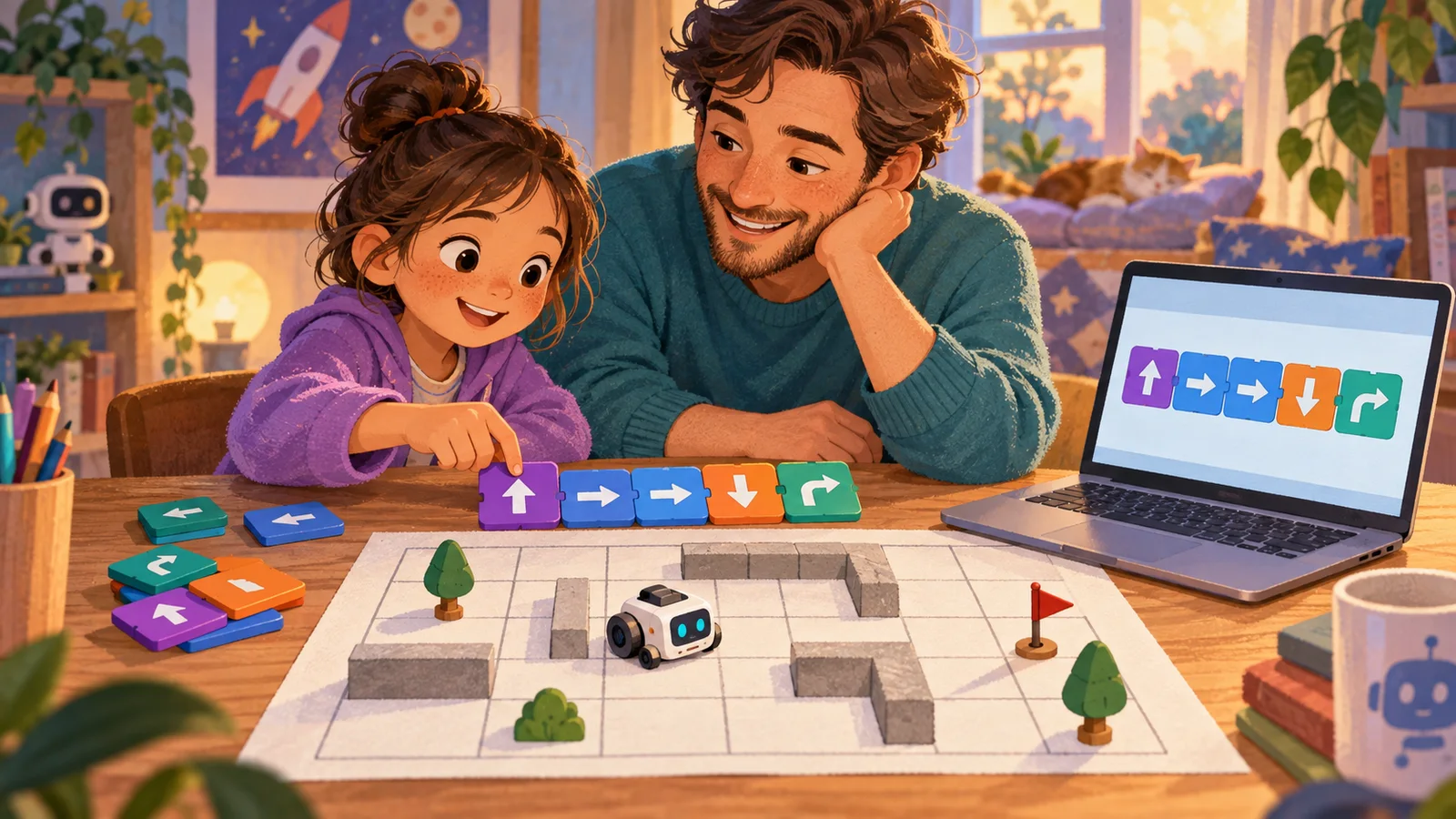
AI Coding for Kids: The Complete Step-by-Step Beginner's Guide (2026)
Everything you need to introduce AI coding to your child — from zero to building a real AI model in one afternoon. Includes a hands-on Teachable Machine project, progression path, and tools for every age group.
27 min
9-11
12-15
📚 Guides
Best AI Tools for Middle School Students (Ages 11–14) in 2026
Middle school is the perfect age to start building real AI skills. Here are the best AI tools for grades 6–8 across every subject — with specific recommendations for how to use each one effectively.
31 min
12-15
📚 Guides
Is AI Safe for Children? What the Research Actually Shows in 2026
Beyond the headlines: a research-backed guide to AI safety for children covering real risks, genuine benefits, and a practical parent framework — informed by UNICEF, the American Academy of Pediatrics, and independent studies.
31 min
6-8
9-11
12-15
⭐ Reviews
Khanmigo Review 2026: Is Khan Academy's AI Tutor Worth It for Your Child?
Parent review of Khanmigo ($4/mo or $44/yr): U.S. signup rules (18+ subscriber, up to 10 learners), guided no-answer tutoring, chat history, and limits.
8 min
6-8
9-11
12-15

📖 Tutorials
50 Best ChatGPT Prompts for Kids: Educational Activities for Every Subject (2026)
Get more out of ChatGPT with 50 prompts for math, science, writing, creative projects and more — plus step-by-step safety setup for parents.
29 min
9-11
12-15

📚 Guides
AI Art Generators Safe for Children: What Parents Need to Know in 2026
AI image generators have become spectacularly capable. A child can type "a golden retriever wearing a space suit on the moon" and get a photorealistic image in seconds. This is genuinely exciting —...
39 min
9-11
12-15
📚 Guides
Best AI Tools for Homeschooling Families in 2026: The Complete Guide
Homeschooling families have always had to do more with less — more individualisation, less administrative support; more parental involvement, less institutional resource. AI tools in 2026 don't jus...
43 min
6-8
9-11
12-15
📚 Guides
How Teachers Are Using AI in the Classroom in 2026 (And What Parents Need to Know)
If your child came home talking about "the AI tutor" or their teacher using something called Khanmigo, you're not alone in wondering what's actually happening in schools right now.
40 min
6-8
9-11
12-15